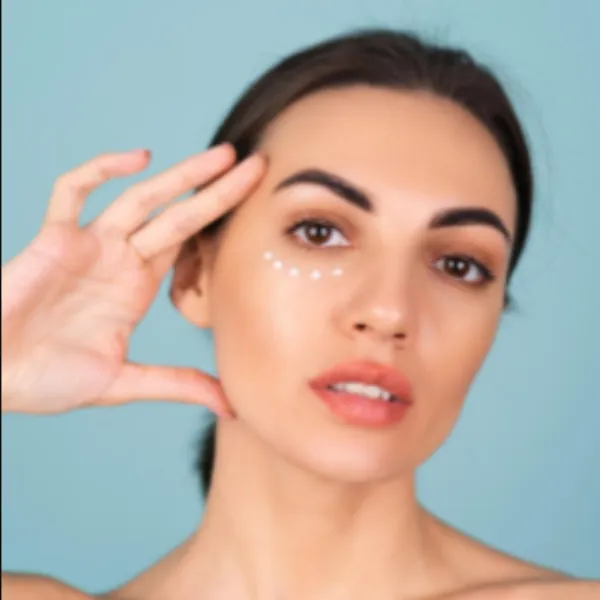
Heavy upper eyelids and under-eye bags can make the face look tired even after adequate rest. At Curls & Curves Cosmetic Surgery Center, Dr Girish assesses eyelid skin, fat distribution, brow position, eye symmetry, and general health before determining whether blepharoplasty can address the concern.
Blepharoplasty is surgery performed on the upper eyelids, lower eyelids, or both. The procedure may remove or reposition excess skin and fat to create a more rested appearance. In some cases, upper eyelid skin may also interfere with the field of vision, making the operation partly functional rather than purely cosmetic.
Upper and Lower Eyelid Surgery Are Different
Upper blepharoplasty commonly addresses loose skin that folds over the natural eyelid crease. It may also treat protruding fat that creates fullness near the inner corner of the eye.
Lower blepharoplasty focuses on concerns such as:
- Under-eye bags
- Bulging pockets of fat
- Loose lower-eyelid skin
- Uneven contours beneath the eyes
- A tired appearance caused by shadowing
Dark circles do not always result from eye bags. Pigmentation, thin skin, visible blood vessels, allergies, facial anatomy, and hollow tear troughs can all contribute. Eyelid surgery may improve shadows caused by bulging fat, but it cannot be expected to remove every type of dark circle.
Blepharoplasty or Brow Lift?
Drooping near the upper eyelids may be caused by excess eyelid skin, a low brow position, or both. Removing eyelid skin without evaluating the eyebrows may produce an incomplete result.
A simple self-check is not enough to distinguish between these concerns because lifting the forehead can temporarily change how much upper-eyelid skin appears. A surgeon evaluates the eyelids while the face is relaxed and considers whether the heaviness originates above or within the eyelid itself.
What Happens During Surgery?
For upper-eyelid surgery, the incision is usually placed within the natural eyelid crease. Excess skin is removed conservatively, and fat may be adjusted when required.
For lower-eyelid surgery, the incision may be positioned just below the eyelashes or inside the lower eyelid. The approach depends on whether the concern involves fat, skin, eyelid support, or a combination of factors.
Preserving enough skin for comfortable eyelid closure is essential. The aim is balanced rejuvenation, not aggressive removal.
What Is Recovery Like?
Swelling, bruising, watering, dryness, tightness, and temporary sensitivity to light may occur during early recovery. Vision can occasionally seem blurred because of ointment or swelling. Patients should follow the prescribed eye-care and activity instructions closely.
Cold compresses and keeping the head elevated may be advised. Contact lenses, eye makeup, strenuous exercise, and prolonged screen exposure may need to be restricted temporarily.
People scheduling blepharoplasty in Bengaluru should consider dust, heat, outdoor travel, and daily commuting when planning recovery. Sunglasses can provide comfort outdoors, but they do not replace proper aftercare.
Important Questions Before Proceeding
A detailed consultation should establish:
- Whether the concern arises from the eyelid, brow, or both
- Whether surgery can help with the specific type of under-eye darkness
- Which incision approach is appropriate
- What scars and temporary changes to expect
- Whether dry eyes or previous eye conditions affect suitability
- When work, driving, exercise, and makeup can safely resume
Medical history matters, particularly thyroid conditions, dry-eye symptoms, glaucoma, bleeding concerns, and previous eye surgery. These details allow treatment planning to focus on both appearance and eye function.
For an individual assessment of heavy eyelids or under-eye bags, book a consultation with Dr Girish at Curls & Curves Cosmetic Surgery Center in Bengaluru.
Keywords