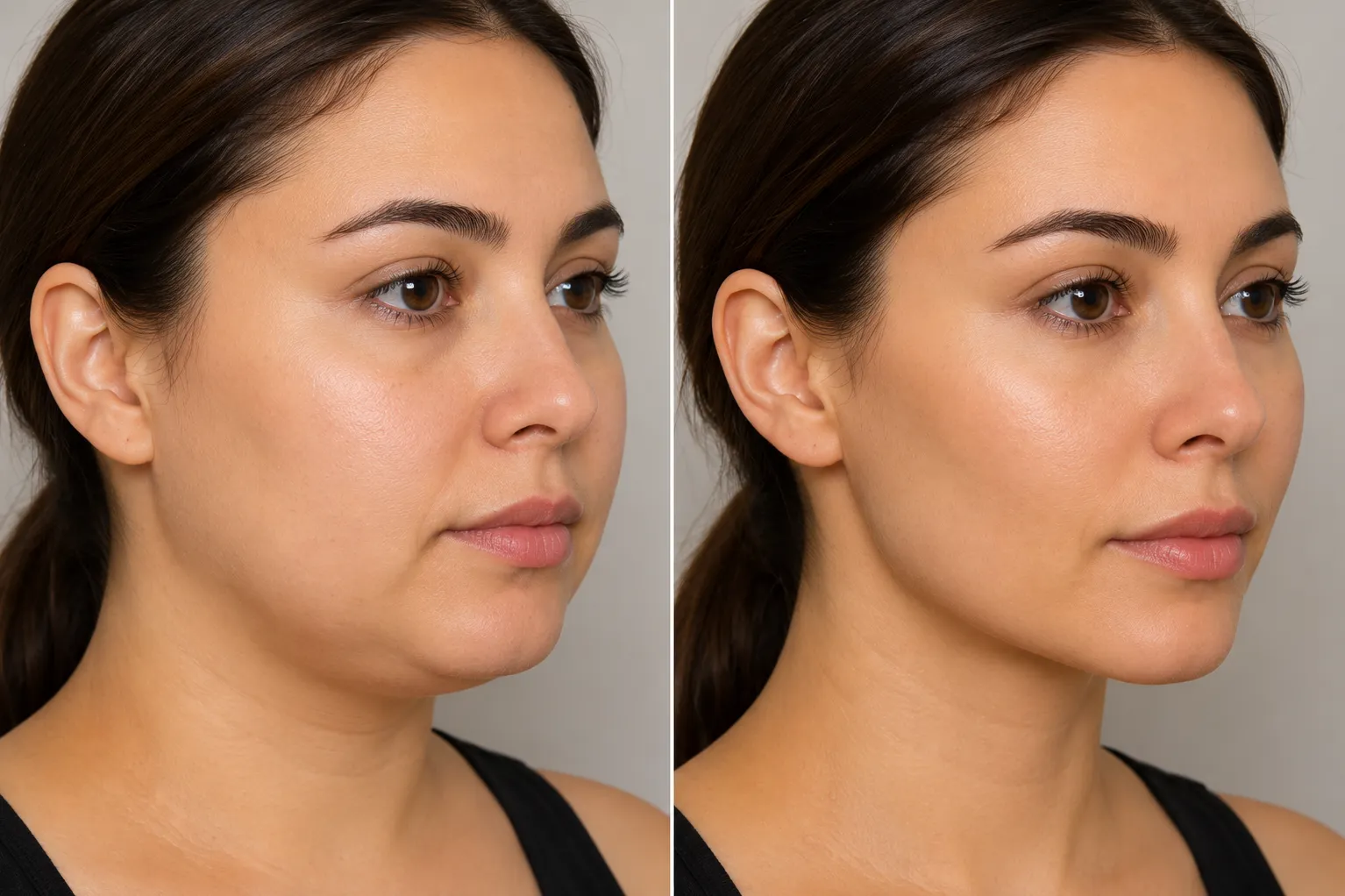
Buccal fat removal reduces a specific fat pad located within the lower cheek. At Curls & Curves Cosmetic Surgery Center, Dr Girish examines facial structure, cheek volume, skin quality, body weight, and age-related changes before deciding whether the procedure could improve facial definition.
The operation is often associated with a slimmer or more sculpted lower face. However, naturally full cheeks are not always caused by prominent buccal fat. Bone structure, jaw-muscle size, overall facial fat, skin thickness, and body-weight distribution can all influence facial width.
What Buccal Fat Removal Can Change
Buccal fat pads sit deep within the cheeks. Removing part of this tissue may create greater definition between the cheekbones and jawline in carefully selected patients.
The procedure may be considered when:
- Lower-cheek fullness remains despite a stable, healthy weight
- The face appears disproportionately round because of deep cheek fat
- Facial maturity and anatomy support a lasting reduction
- The patient wants a subtle contour change rather than dramatic hollowing
- Expectations are based on personal facial proportions
It is not a treatment for a double chin, loose jawline skin, enlarged jaw muscles, or superficial facial fat. These concerns may require different approaches.
Who Should Be Cautious?
Buccal fat naturally decreases in prominence as the face ages. Removing too much tissue at a young age may contribute to an overly hollow appearance later.
The procedure may not be suitable for people with naturally narrow faces, limited cheek volume, significant facial asymmetry, unstable weight, or expectations shaped by heavily edited images. Individuals with certain facial conditions or previous procedures also require careful evaluation.
A responsible consultation should consider how the face may change over time—not only how it looks at the current age.
How Is the Procedure Performed?
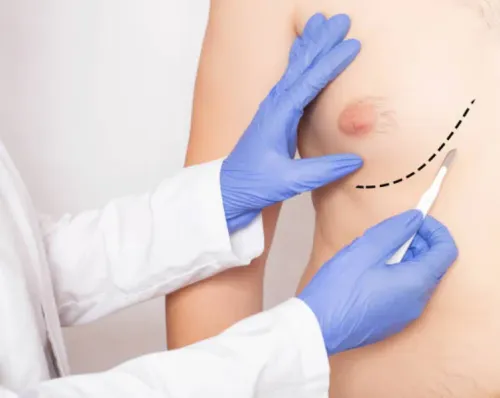
Buccal fat is generally accessed through a small incision inside the mouth. A carefully judged portion of the fat pad is removed, and the incision is closed internally.
Because the incision is inside the mouth, there is usually no external facial scar. This does not mean the procedure is risk-free. Nearby facial structures must be protected, and excessive removal can create asymmetry or unwanted hollowness.
The goal is conservative refinement. Removing the maximum possible amount is not necessarily beneficial.
What to Expect During Recovery
Cheek swelling is common and may initially make the face appear fuller. Mild discomfort, tightness, and difficulty chewing firm foods can occur during the early stage.
Patients may be advised to follow a soft diet temporarily and maintain careful oral hygiene. Instructions regarding mouth rinses, physical activity, and sleeping position should be followed closely.
People undergoing buccal fat removal in Bengaluru should account for work commitments, social events, and commuting. The final contour cannot be assessed until swelling has reduced and the tissues have settled, which can take time.
Questions to Ask the Surgeon
Use the consultation to clarify:
- Is buccal fat truly the main cause of my facial fullness?
- How much tissue would be removed?
- Could removal make my face look hollow with age?
- Are both sides of my face naturally symmetrical?
- What improvement is realistically possible?
- What are the risks to nearby structures?
- Would another treatment better address my concern?
The most important readiness indicator is not simply having round cheeks. A suitable candidate has anatomically prominent buccal fat, understands the long-term implications, and wants a balanced change that suits the entire face.
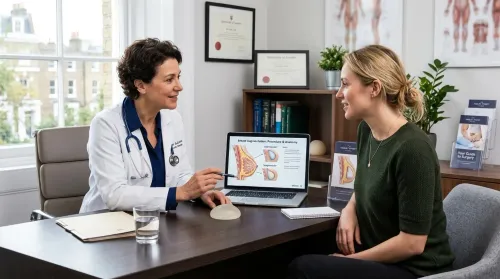
For a personalised facial assessment, consult Dr Girish at Curls & Curves Cosmetic Surgery Center in Bengaluru to determine whether buccal fat removal is appropriate for your features.
Keywords