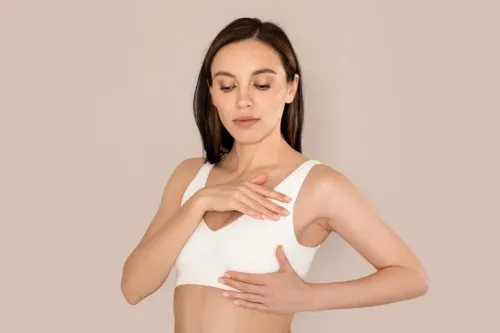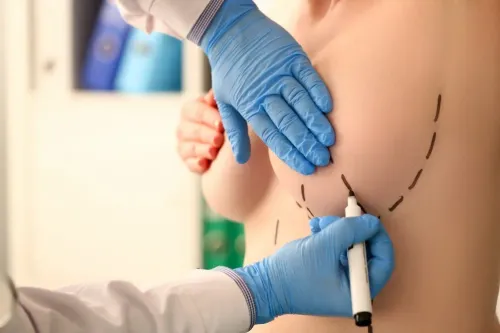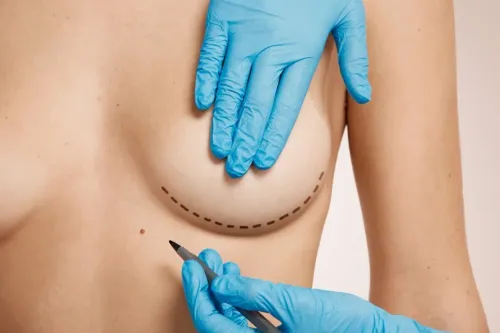
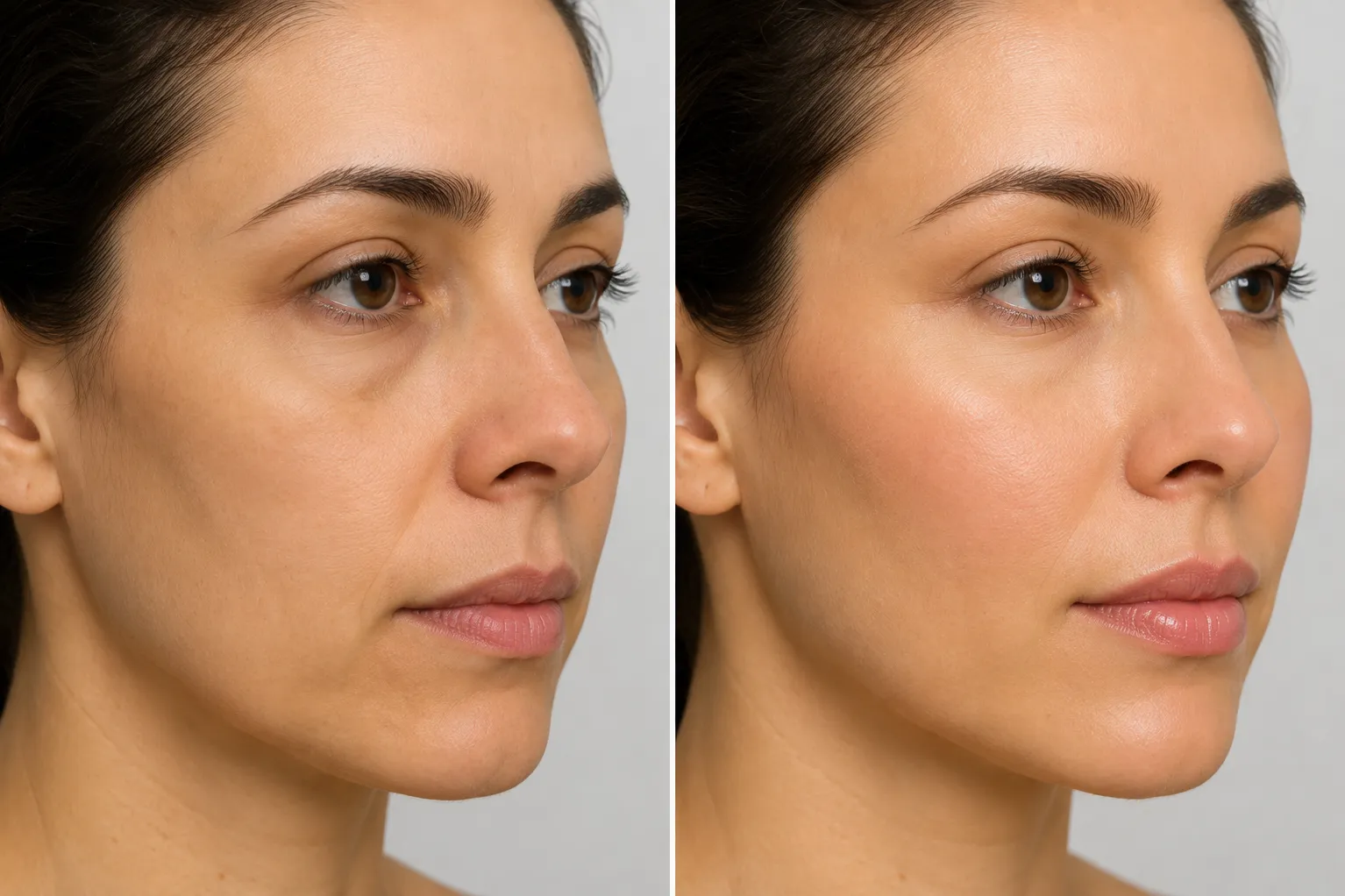
Fat grafting uses a patient’s own fat to restore volume, improve selected contours, or soften certain depressions. Curls & Curves Cosmetic Surgery Center offers individual evaluation by Dr Girish to determine whether the patient has a suitable donor area, realistic volume goals, and healthy tissue at the treatment site.
Also known as fat transfer, the procedure involves removing fat from one area, preparing it, and carefully injecting it into another. It may be considered for facial volume loss, contour irregularities, selected breast concerns, scar depressions, or other areas where moderate volume enhancement is desired.
How Fat Grafting Works
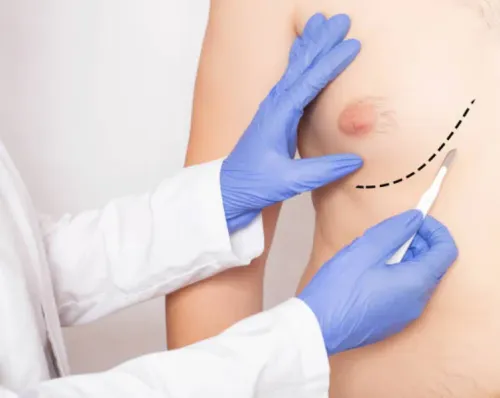
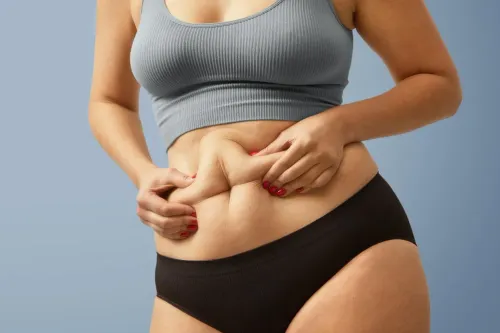
Fat is generally collected using a liposuction technique from areas such as the abdomen, thighs, or flanks. The harvested material is then processed to separate healthy fat cells from unwanted fluid and damaged tissue.
Small amounts of prepared fat are injected into the target area in multiple layers. This careful placement helps the transferred cells establish contact with the surrounding blood supply.
Not all transferred fat survives permanently. The body naturally absorbs a portion during healing, which is why the initial appearance may be fuller than the eventual result.
Signs That You May Be a Suitable Candidate
Fat grafting may be considered when you:
- Have enough accessible fat in a donor area
- Want to use your own tissue for volume restoration
- Have realistic expectations about fat retention
- Maintain a relatively stable body weight
- Are in suitable general health for a surgical procedure
- Do not smoke or can follow the surgeon’s nicotine-related instructions
- Understand that additional treatment may sometimes be required
Very lean patients may not have enough donor fat for the desired correction. Likewise, people seeking a major increase in volume may need to consider whether fat transfer alone can realistically meet their expectations.
Fat Transfer Versus Synthetic Fillers
Facial fat grafting and injectable fillers can both restore volume, but they differ in important ways.
Fillers do not require liposuction and generally involve a shorter initial recovery. Their effects are usually temporary, although duration varies by product and treatment area.
Fat grafting requires a donor-site procedure and has a less predictable survival rate. However, surviving fat can provide longer-lasting volume and uses the patient’s own tissue. The best option depends on the area being treated, the volume required, recovery preference, anatomy, and desired longevity.
What Recovery Involves
Recovery affects both the donor area and the area receiving fat. Patients may experience swelling, bruising, soreness, temporary firmness, and unevenness while the tissues settle.
The treated area should not be judged during the initial swollen phase. Pressure, massage, exercise, or sleeping positions may need to be modified according to the treatment site. The surgeon may also recommend a compression garment for the donor area.
Patients planning fat grafting in Bengaluru should consider travel between home and the clinic, time away from work, and assistance during the first few days. Karnataka’s warmer conditions may also make comfortable clothing and careful garment use particularly important.
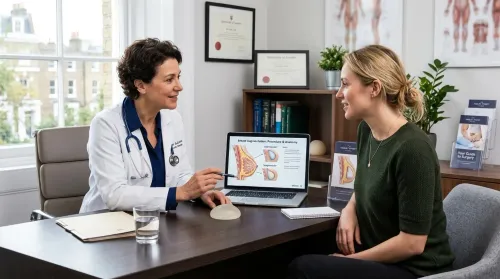
What to Discuss During Consultation
Before proceeding, ask about:
- The most appropriate donor area
- The expected amount of transferable fat
- How much volume may remain after healing
- Whether one or multiple sessions may be required
- Scars at the fat-harvesting sites
- Risks such as infection, asymmetry, lumps, or irregular contours
- How weight changes can affect the result
Fat grafting can provide natural-looking volume when the indication, donor supply, and expectations are appropriate. It should still be approached as a surgical procedure requiring careful planning and follow-up.
To find out whether fat grafting is suitable for your facial or body-contouring goals, arrange a consultation with Dr Girish at Curls & Curves Cosmetic Surgery Center in Bengaluru.
Keywords