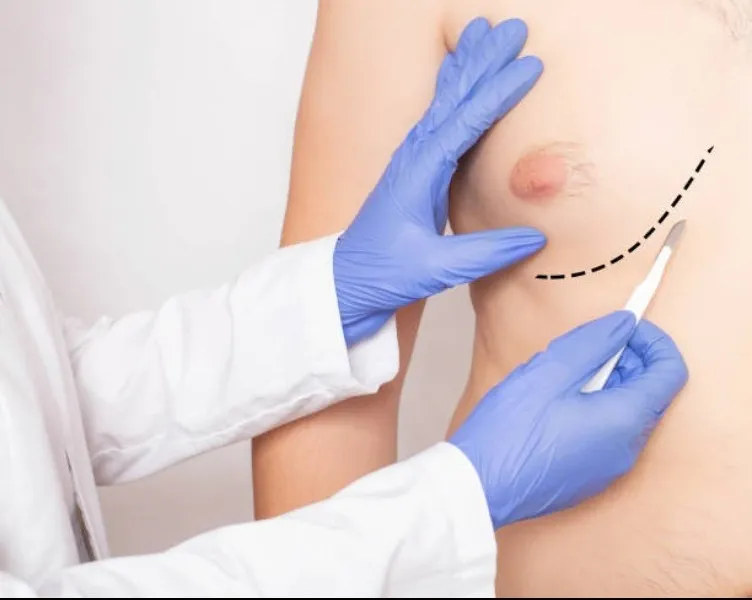
Chest enlargement in men can occur for several reasons, and it is not always caused by excess body fat. Gynaecomastia refers to enlargement associated with glandular breast tissue, although some men may have a combination of gland and fat.
For men in Bengaluru who are concerned about persistent chest fullness, identifying what is contributing to the appearance is more useful than assuming weight loss alone will solve it.
Is It Gynaecomastia or Chest Fat?
The two conditions can look similar but are not necessarily the same.
Chest fat is generally associated with fatty tissue accumulation and may change when overall body weight changes. Gynaecomastia involves glandular tissue beneath or around the nipple area and may remain noticeable even after significant improvements in fitness.
Some individuals have both.
This distinction matters because treatment depends on the tissue responsible for the chest enlargement.
What Can Cause Gynaecomastia?
Possible contributing factors can include:
- Hormonal changes
- Certain medications
- Weight fluctuations
- Age-related hormonal variation
- Some underlying health conditions
- Use of certain substances or supplements
- Persistent glandular development from adolescence
In some cases, no obvious single cause is identified.
A proper medical assessment is therefore important before considering cosmetic correction.
Why Exercise May Not Completely Change the Chest
Exercise can strengthen the pectoral muscles and help reduce overall body fat. However, glandular breast tissue does not respond to exercise in the same way as fat.
This explains why some otherwise lean or physically active men continue to notice projection around the nipple or fullness of the chest.
Rather than repeatedly increasing workouts specifically to eliminate the problem, it can be useful to determine whether glandular tissue is present.
When Should Persistent Chest Enlargement Be Assessed?
Evaluation may be appropriate when:
- Chest enlargement remains despite weight management
- One or both sides remain disproportionately prominent
- Puffy nipples remain noticeable
- The condition causes difficulty with clothing choices
- There is tenderness or discomfort
- The enlargement has recently changed
New, painful, rapidly changing, or distinctly one-sided breast enlargement deserves medical assessment rather than being treated purely as a cosmetic concern.
What Happens During a Surgical Consultation?
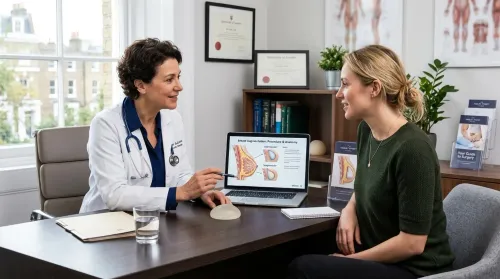
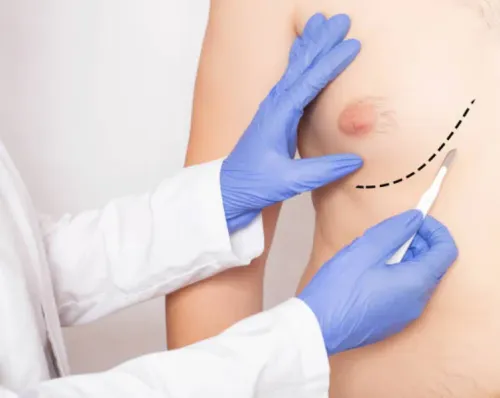
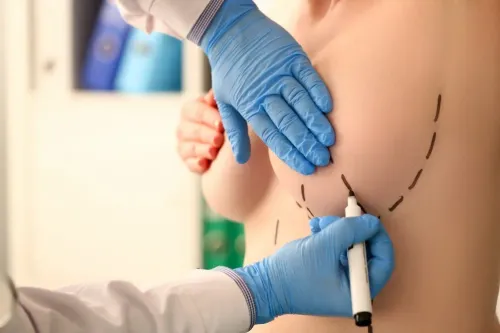
Assessment may include the amount and distribution of glandular tissue, fat, skin elasticity, chest symmetry, medical history, and expectations.
At Curls and Curves Cosmetic Surgery Centre in Bengaluru, Dr Girish A C assesses these factors before determining whether surgical management is appropriate.
Understanding the cause of male chest enlargement is the starting point. Once the underlying tissue pattern is identified, patients can have a more meaningful discussion about available treatment options and expected outcomes.
Keywords