Large or disproportionately heavy breasts can affect more than appearance. They may contribute to neck and shoulder discomfort, persistent backache, skin irritation, difficulty exercising, and problems finding properly fitting clothes. Breast reduction surgery removes excess breast tissue, fat, and skin to create a lighter and more proportionate breast shape.
For women exploring breast reduction surgery in Bengaluru, the key question is often whether their symptoms are significant enough to justify an operation. There is no single breast size that determines suitability. The effect on physical comfort, daily activity, emotional well-being, and overall health is more important.
Common Reasons Women Consider Breast Reduction
A surgical consultation may be useful when heavy breasts are associated with:
- Recurring neck, upper-back, or shoulder pain
- Deep grooves caused by bra straps
- Rashes or moisture-related irritation beneath the breasts
- Restricted participation in sports or exercise
- Difficulty maintaining comfortable posture
- Uneven or noticeably asymmetrical breasts
- Unwanted attention or self-consciousness
- Challenges finding supportive clothing and innerwear
These problems can overlap with muscular, spinal, or dermatological conditions. A proper assessment helps determine whether breast weight is a contributing factor and whether surgery is likely to provide meaningful improvement.
How Breast Reduction Is Performed
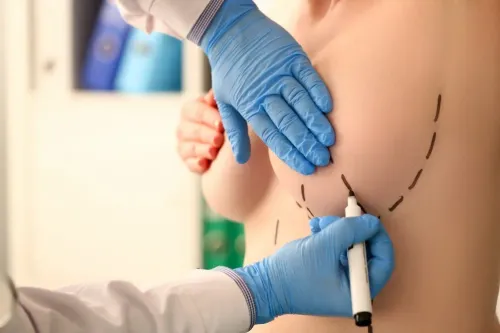
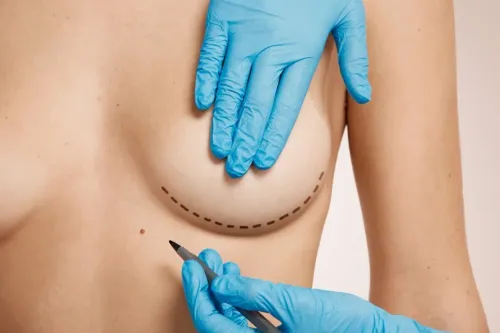
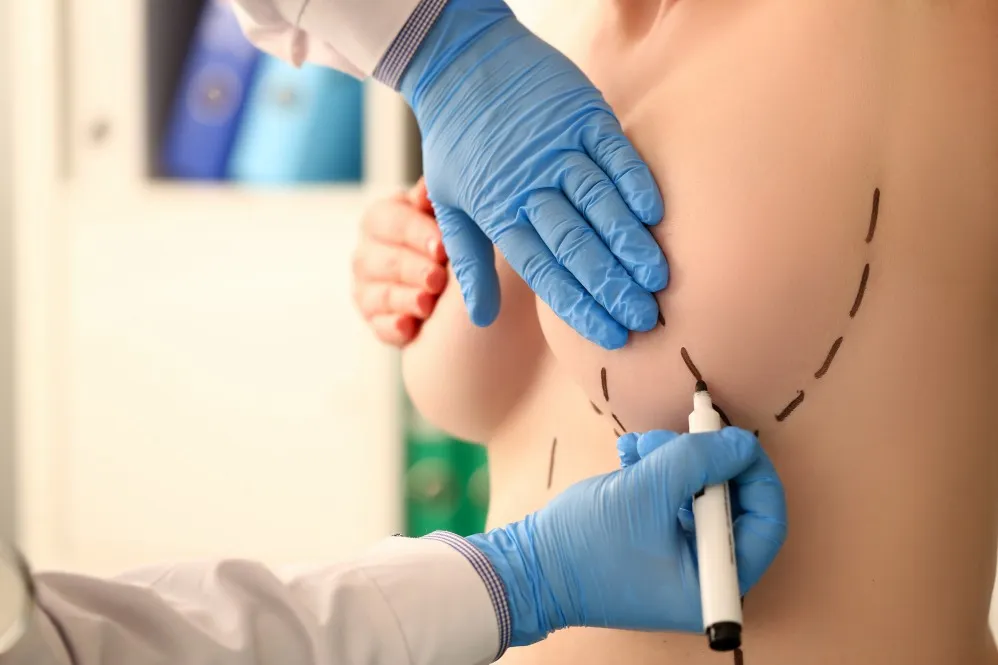
During breast reduction, the surgeon removes a planned amount of tissue and reshapes the remaining breast. The nipple and areola are usually repositioned to suit the new contour. If the areola has stretched, its diameter may also be reduced.
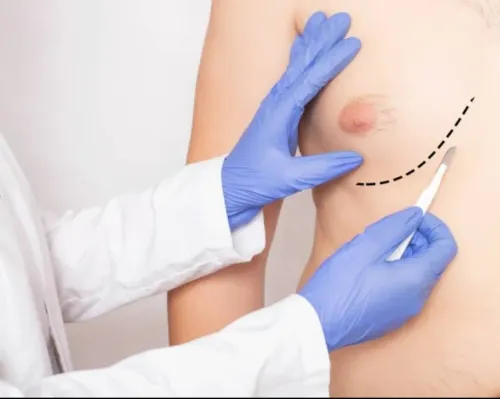
The incision pattern depends on the breast size, degree of sagging, skin quality, and volume being removed. Some patients may require an incision around the areola with a vertical line below it, while larger reductions can require an additional incision along the breast fold.
Scars are an unavoidable part of breast reduction. They generally soften and become less noticeable over time, although their final appearance varies with skin type, healing tendencies, incision care, and individual biology.
Functional and Aesthetic Benefits
The goal of breast reduction is not simply to produce smaller breasts. A carefully planned procedure aims to improve proportion while reducing physical strain.
Potential improvements may include:
- Greater comfort during walking and exercise
- Reduced pressure from bra straps
- Easier clothing selection
- Better balance between the chest and body frame
- Relief from irritation in the breast fold
- Improved ability to maintain an active lifestyle
Results cannot be guaranteed, and existing back or neck conditions may not disappear entirely. This is why the source and pattern of discomfort should be discussed honestly during evaluation.
Recovery and Practical Planning
Patients can expect swelling, bruising, tightness, and tenderness during the initial healing period. A surgical support bra is often used, and sleeping positions may need to be adjusted temporarily.
Desk-based work may be resumed sooner than physically demanding work, depending on recovery. Lifting, stretching, gym activity, and household tasks involving upper-body effort are restricted for a period determined by the surgeon.
At Curls & Curves Cosmetic Surgery Center, Dr Girish assesses symptoms, body proportions, breast composition, skin quality, and medical history before explaining whether reduction surgery is suitable. Patients living in Bengaluru and elsewhere in Karnataka should also plan transport and post-operative assistance for the first stage of recovery.
Points to Discuss Before Deciding
Before proceeding, ask about:
- The expected reduction and resulting proportions
- The likely incision pattern and scars
- Possible changes in nipple sensation
- The effect surgery may have on breastfeeding
- Recovery restrictions and follow-up requirements
- Risks such as delayed healing, asymmetry, or infection
Breast reduction is a personal decision that should be based on persistent symptoms, realistic expectations, and a clear understanding of the trade-offs. A detailed examination is the most reliable way to determine whether the likely functional benefits outweigh the recovery period and permanent scarring.
Keywords